





Welcome Back
If you are a Program Participant, Program Facilitator, or JustFaith Network Member you are in the right place! Log in to see all your content.
Forgot your password?What our program participants are saying
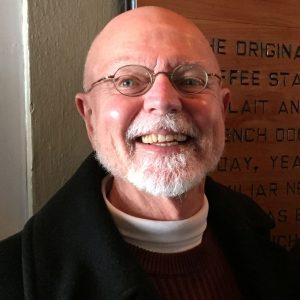
JustFaith was a major conversion in my life. The lens through which I look at the world—politics, economics, relationships, etc.—changed. I now see the world through the eyes of those who live on the margins, and ask myself how I can better serve my fellow members of my human family. Every segment of JustFaith awakened something deep within me that helped to form me in new ways, ways that were noticeably more compassionate than what I had previously been living.
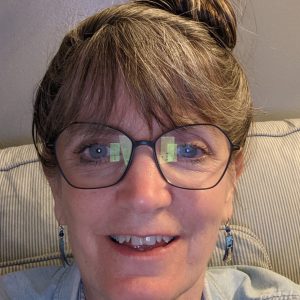
Our Faith and Racial Equity virtual program (via Zoom) with 12 of us (including co-facilitators) exceeded by expectations! In addition to co-facilitators, 1 group member handled the "tech" transitions - what a blessing! This was a serious commitment for 9 weeks! My co-facilitators ordered materials, emailed group members and set up our weekly planning sessions. My role in sharing presentation duties was infinitely easier because of the detailed script and videos provided. The emphasis on Scripture and the guidance of the Holy Spirit increased our abilities to speak our truth and maintain hope dealing with the monumental task of acknowledging white privilege and the pain of racism.
Participar en el programa sobre la apertura espiritual fue una experiencia profundamente transformadora. Me recordó que la verdadera compasión comienza con un corazón abierto tanto a la fe como al servicio. A través de Éncuentro de Esperanza, vi cómo podemos convertirnos en instrumentos del amor de Dios, ofreciendo esperanza, sanación y guía a los necesitados. No se trataba solo de aprender, sino de vivir nuestra fe en acción y descubrir las poderosas formas en que podemos ayudar a otros a crecer espiritualmente, al igual que nosotros mismos crecemos. Estar rodeado de un grupo que me apoyaba hizo que la experiencia fuera aún más significativa.